Wooden Air Engine
These engines are built mainly to show how engines work, not to produce useful power.
What it is and How it works
A wooden air engine is a small model that turns compressed air into rotation. Wood is used so you can see how it works and it is pretty much accessible material. These engines run at low pressure and are for learning, not for power.
A wooden model air engine is, at its core, an energy conversion device: pressure energy in compressed air is converted into mechanical work through controlled expansion against a piston. Everything else in the design exists to manage three fundamentals: pressure containment, timing, and losses.
Let's start with physics. Compressed air contains stored energy because its pressure is higher than atmospheric. When you admit that air into a cylinder, it exerts force on the piston equal to pressure times piston area. That force creates torque at the crankshaft according to the crank radius and the instantaneous angle. The flywheel exists because torque is not constant over the cycle; without stored rotational energy, the engine would stall at dead center.
It is also explained here in full detail in this youtube video and on this Website as well:
Now, How it Works
- Air enters the cylinder → pushes the piston → crank converts motion to rotation → flywheel stores energy → valve switches → air exhausts → repeat.
- The flywheel is crucial because piston torque isn’t constant.
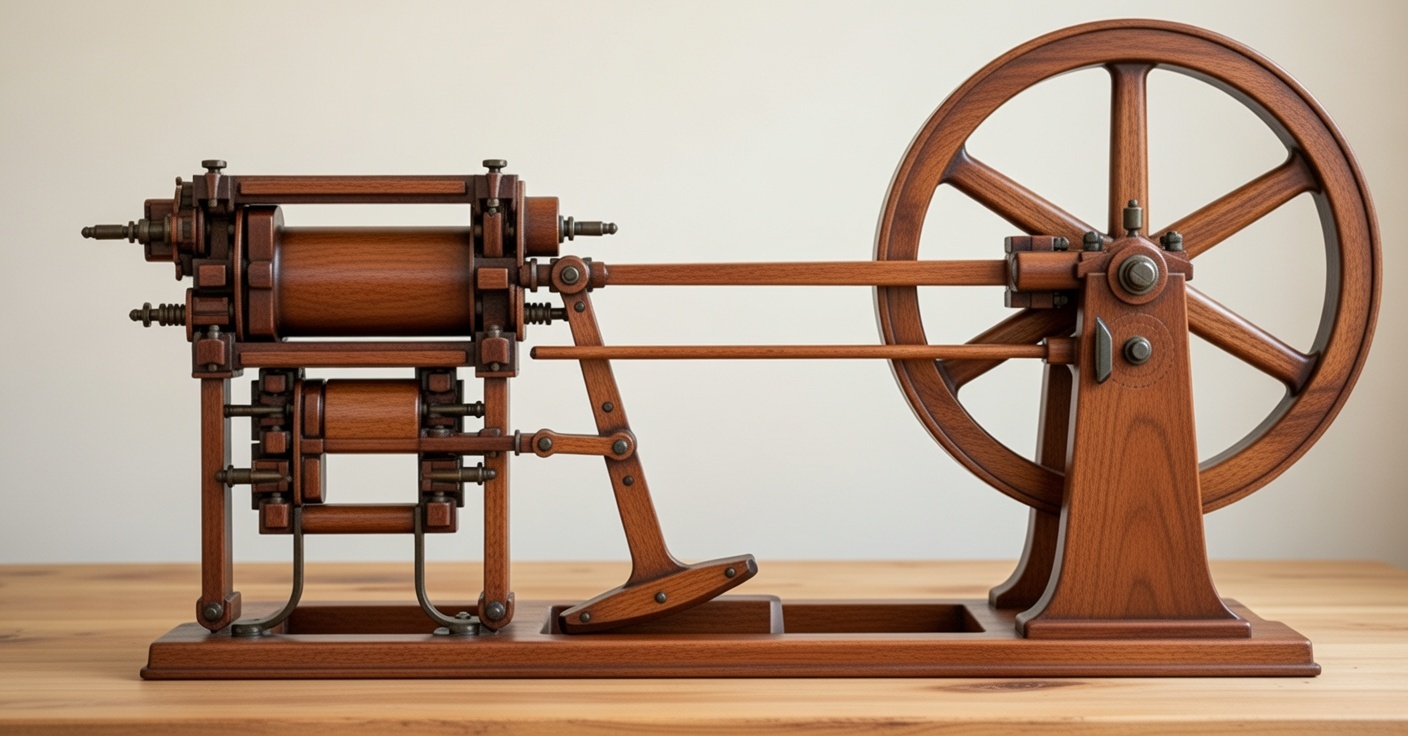
Main Parts would be:
- Cylinder & piston: air seal vs. friction
- Crankshaft & flywheel: torque vs. startup
- Air inlet/exhaust: smooth flow matters
- Valves: sliding and oscillating cylinder
- Cam and Camshaft
Design Trade-offs
Now we consider why we use wood. Wood is porous, anisotropic, and dimensionally unstable with humidity. That means you cannot rely on tight clearances like a metal engine. Every wooden air engine design is therefore a negotiation between leakage and friction. If you make the piston fit tight enough to seal, friction skyrockets and the engine won’t start. If you loosen it, the engine spins freely but loses pressure before useful work is done.
The second core issue is valving, which is really about timing and flow restriction. From first principles, the valve must open early enough to admit pressure when the crank can convert it into torque, and close early enough that expanding air still does useful work instead of escaping. In practice, wooden engines almost always accept inefficient timing because precise valve control is hard to achieve in wood.
Even the flywheel embodies a design compromise. A heavy flywheel smooths motion and masks poor valve timing, but it also increases startup inertia. Many wooden engines won’t self-start unless the flywheel is spun by hand, because static friction exceeds initial torque. Designers accept this because continuous running is more important than self-starting in a model.
Finally, there’s the question of pressure level. From first principles, doubling pressure doubles force. But in wood, higher pressure accelerates wear, leakage, and splitting. Most designs operate far below what even cheap compressors can provide, often under 20 psi, because above that the structure becomes the limiting factor rather than the mechanism.
Tips and Key Takeaways
So the essence of a wooden model air engine is this: it is not an exercise in efficiency or power, but an exercise in managing losses gracefully. Good designs don’t try to fight wood’s weaknesses. They embrace low pressure, forgiving seals, simple timing, and heavy inertia. The engine runs not because it is optimal, but because the compromises are well balanced.
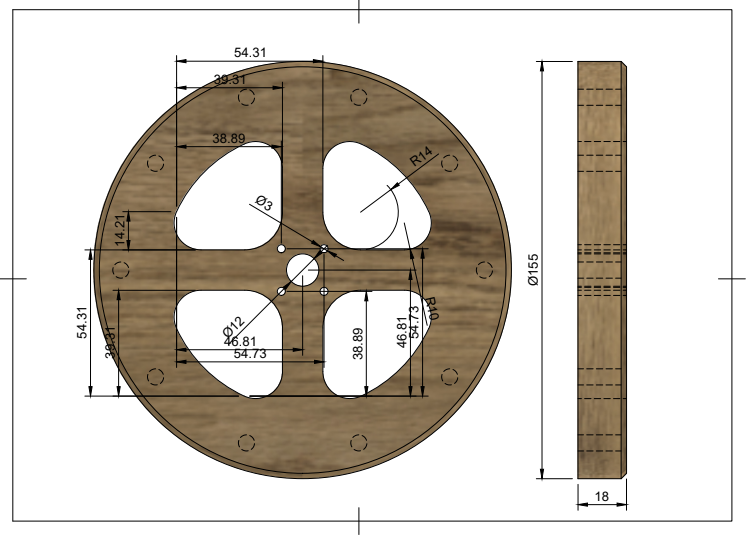
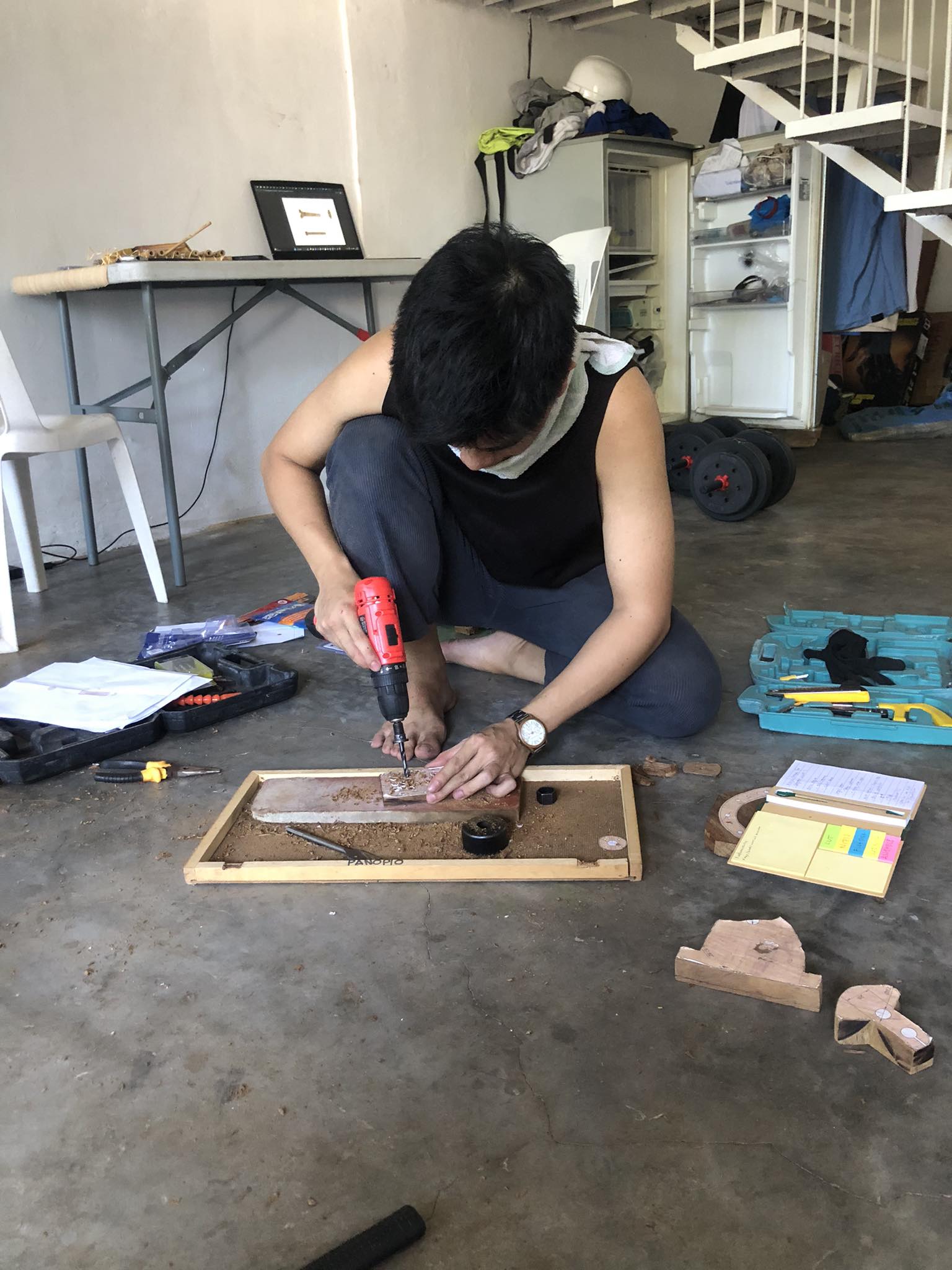
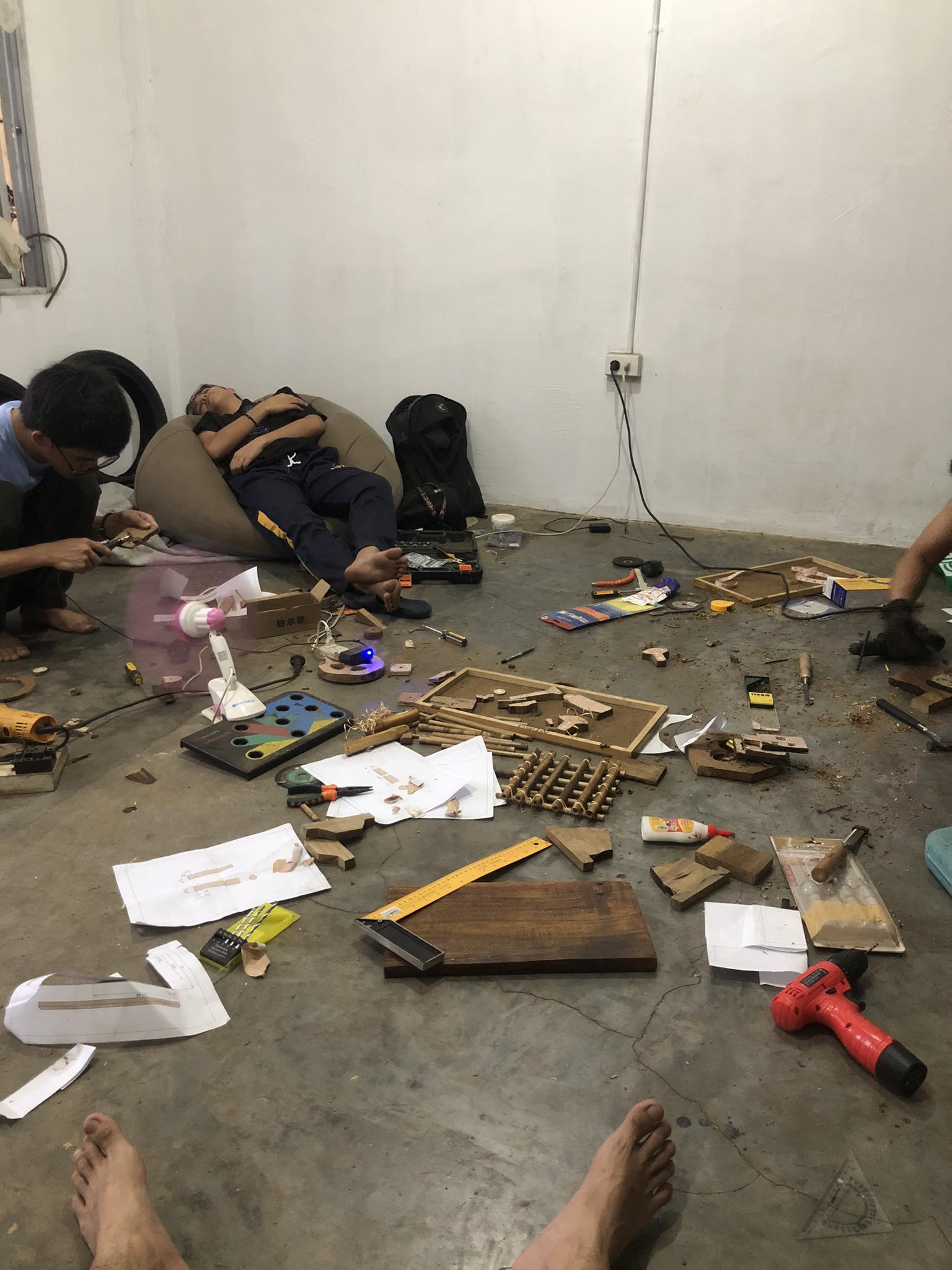

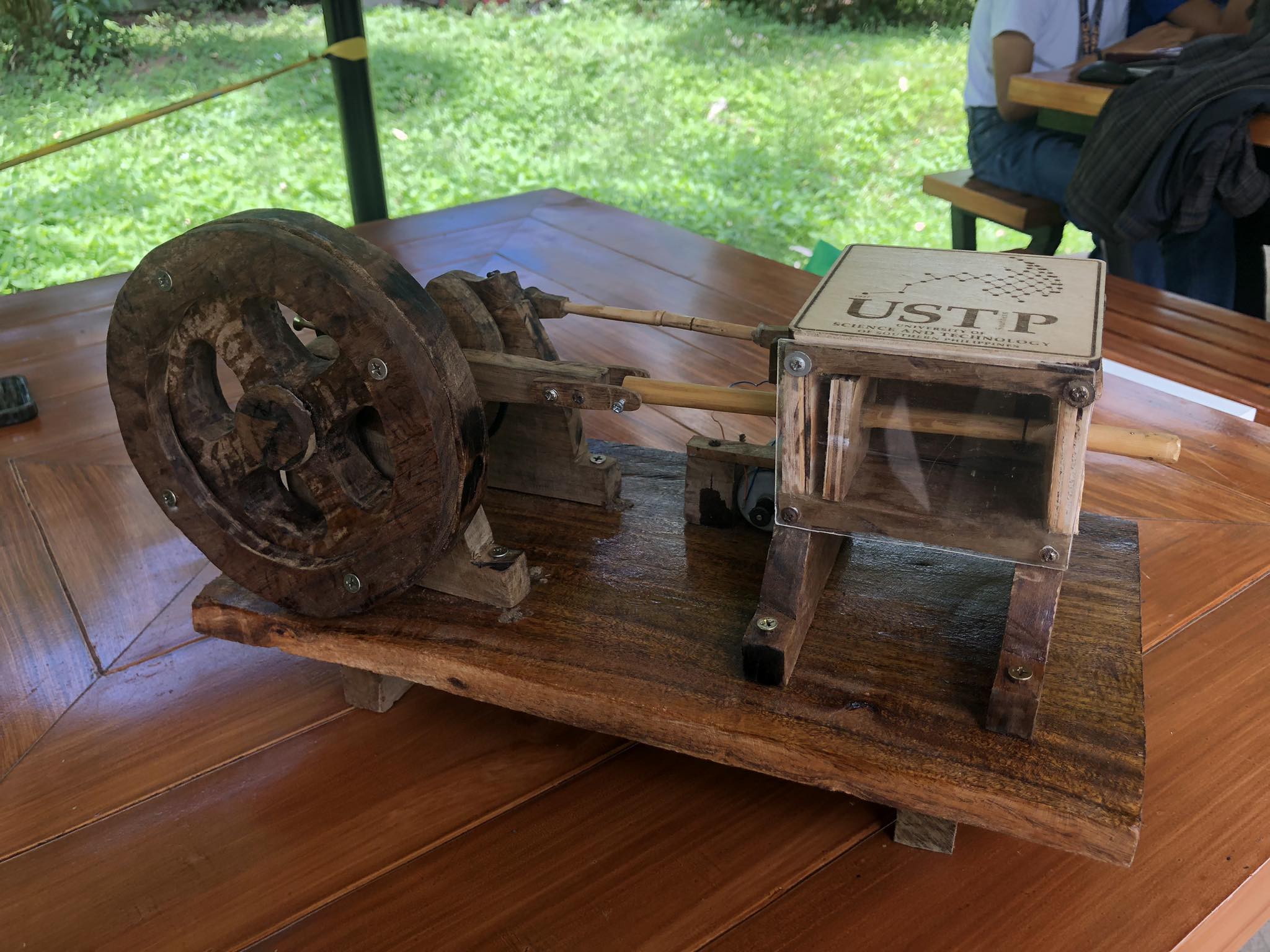
You too! can make this as well! Happy building :D