DIY Kitchen Fermentation Machine
Modern professional kitchens frequently rely on low‑temperature, controlled environments for fermentation, curing, and dehydration. While commercial fermentation cabinets and dehydrators are precise, they are also expensive.
The Proof Of Concept
From an engineering standpoint, a discarded personal mini fridge is an excellent starting platform: it already provides insulation, a sealed enclosure, shelving, and a compressor system that can be repurposed or bypassed. Unlike conventional cooking, airflow and humidity become dominant variables.
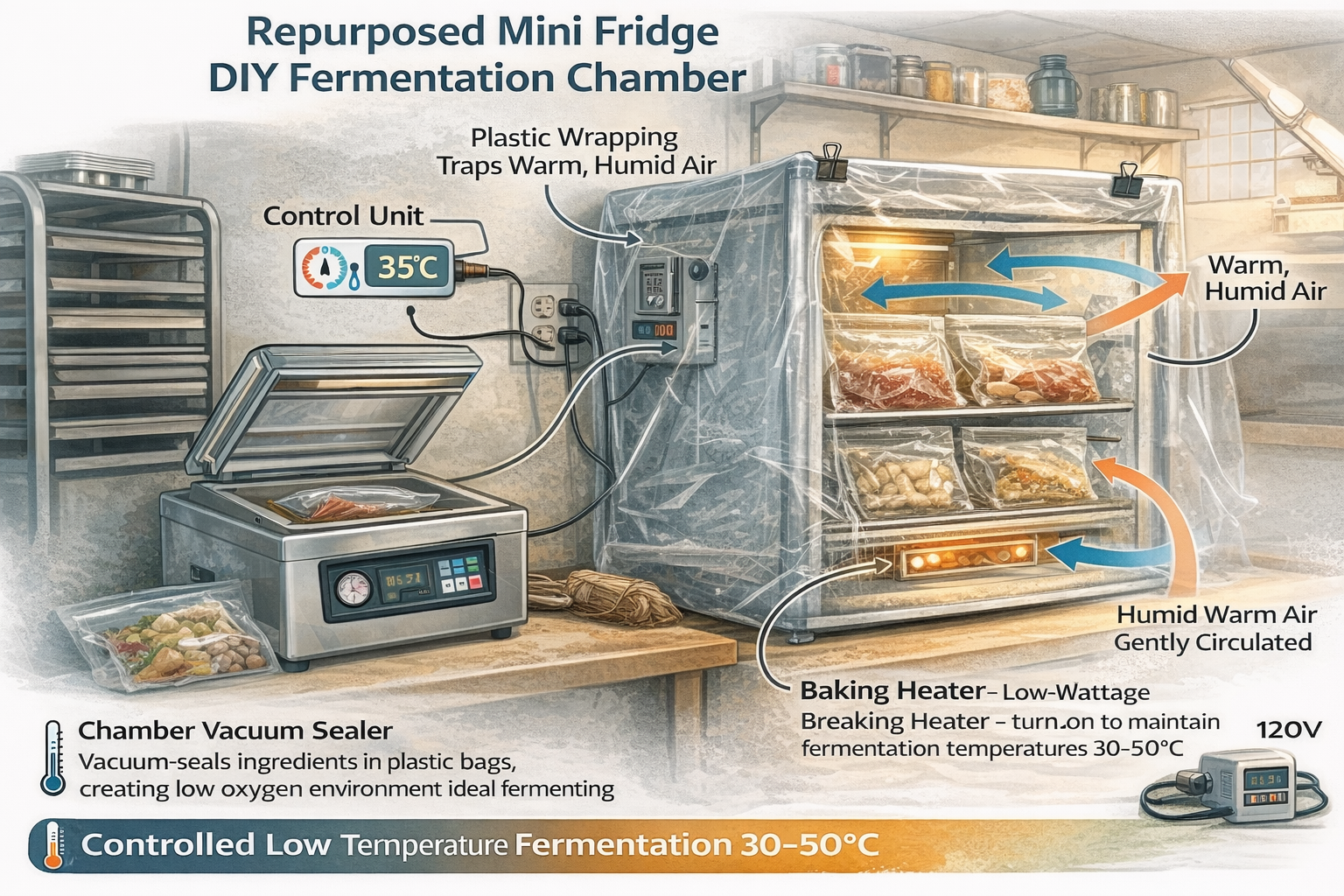
The key insight is that chefs are not using magic equipment — they are using well‑controlled thermodynamics. Once temperature, humidity, and airflow are understood, the rest is implementation detail. Fermentation generally requires minimal airflow and high relative humidity, whereas dehydration demands slow but continuous airflow to remove moisture. A fridge cabinet can support both modes with minor modifications.
Behind the scenes
In a DIY context, this workflow is easily replicated by vacuum sealing ingredients externally and placing the sealed bags into the temperature-controlled cabinet. This approach significantly expands the system’s capabilities without adding internal complexity.
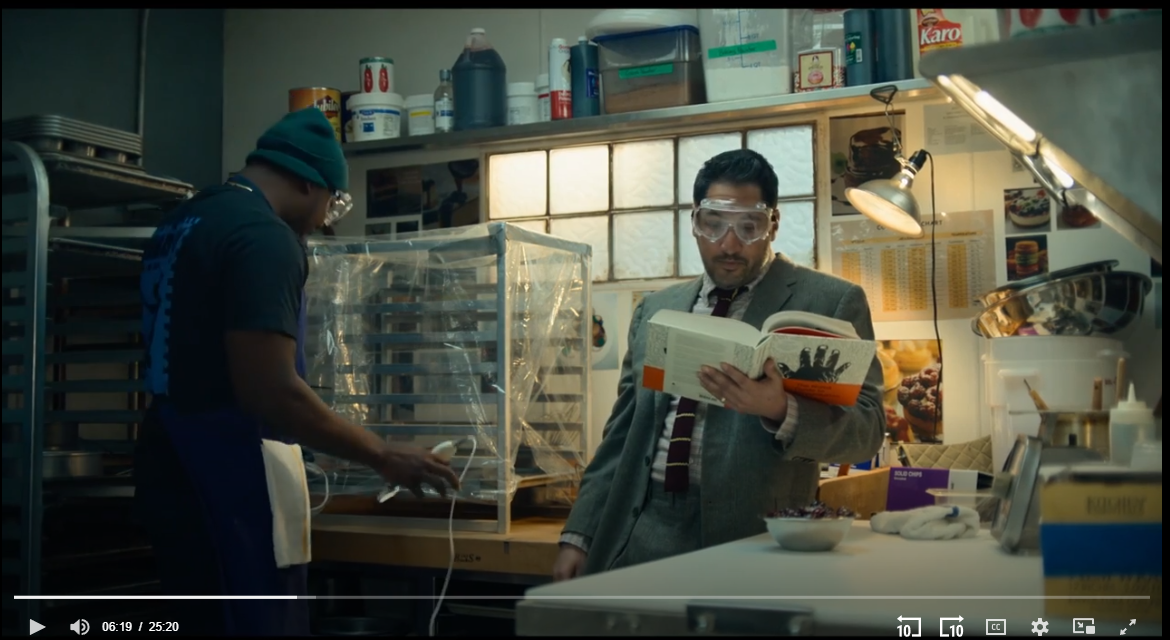
The first thing to understand is that the plastic wrap is not a cosmetic detail but a functional component that fundamentally alters the internal environment. By trapping moisture and reducing airflow, the plastic creates a localized high-humidity microclimate that is ideal for many fermentations. However, if the wrap is applied too tightly or without any venting, condensation can accumulate and drip onto the food, oxygen levels can drop too far, and the plastic itself can sag and contact the product, increasing contamination risk. The wrap should be tented rather than sealed, using food-grade material, with a small allowance for gas exchange.
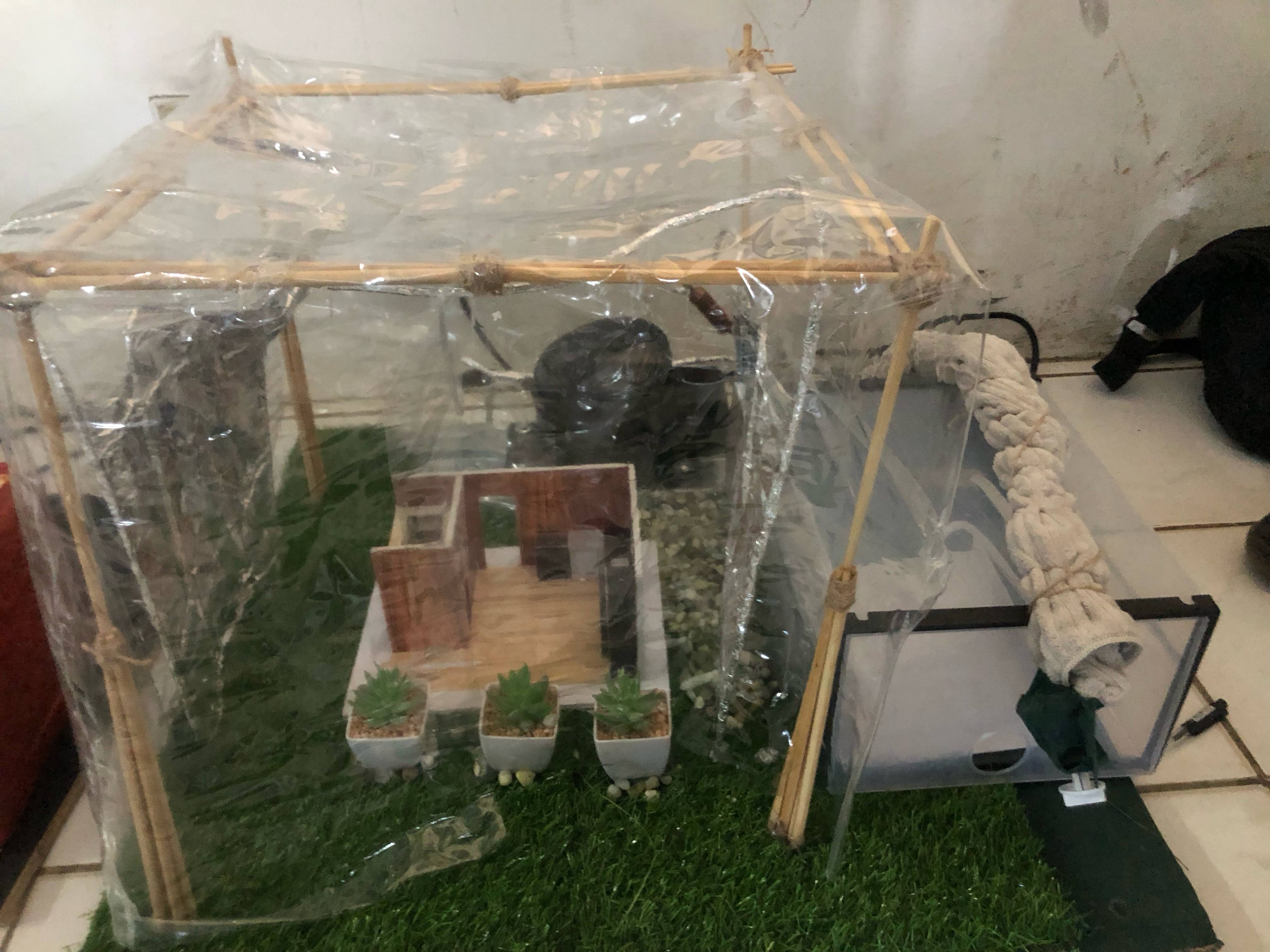
From a food safety standpoint, it is critical to remember that a fermentation cabinet is, by design, an incubator. It does not discriminate between beneficial organisms and pathogens. Cross-contamination between batches, ambiguous growth patterns, or “off” smells are all signals to stop and discard a batch rather than attempt to salvage it. Running only one fermentation type at a time, clearly labeling temperature and duration, and maintaining strict cleanliness significantly reduce risk.